



- 5.0 on Clutch
- 250+Platform Migrations
- Since 2015On Shopify
Helping Brands Build What's Next on Shopify
ITGeeks combines commerce strategy and engineering expertise to help brands simplify operations and scale on Shopify. Explore how we solve technical challenges and build around business goals.



(Why migrate)
Why Migrate from WooCommerce to Shopify?
WooCommerce offers flexibility but requires ongoing management of hosting, plugins, updates, and security. Migrating to Shopify or Shopify Plus simplifies store management with managed infrastructure and a broad app ecosystem, supporting scalable growth with less technical overhead.

Reduce Commerce Complexity and Costs
WooCommerce hosting, plugins, security, and maintenance add operational costs. ITGeeks evaluates your setup to identify dependencies and simplify store management with Shopify.
Accelerate Innovation and Launches
Empower Teams to Manage Commerce
Scale with Less Infrastructure Overhead
Connect DTC, B2B, and Other Channels
(What it involves)
What Does WooCommerce to Shopify Migration Involve?
Migrating from WooCommerce to Shopify or Shopify Plus involves more than transferring data. ITGeeks evaluates your WordPress setup, plugins, integrations, and workflows to determine what to migrate, rebuild, replace, or simplify.
01 / 06
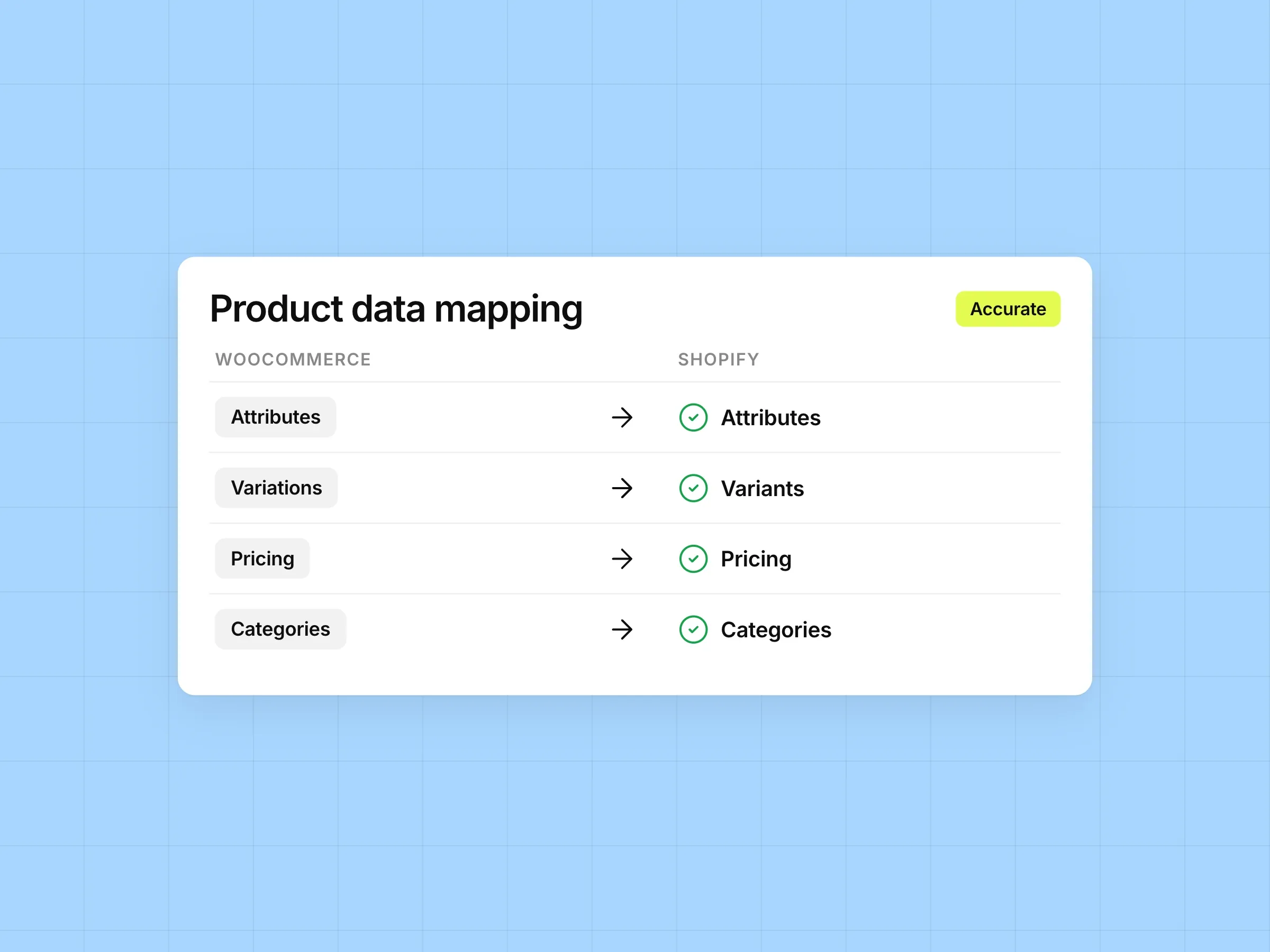
Product Catalogs, Attributes, and Variants
We map product data, attributes, variations, pricing, and categories to Shopify while maintaining catalog accuracy.
02 / 06
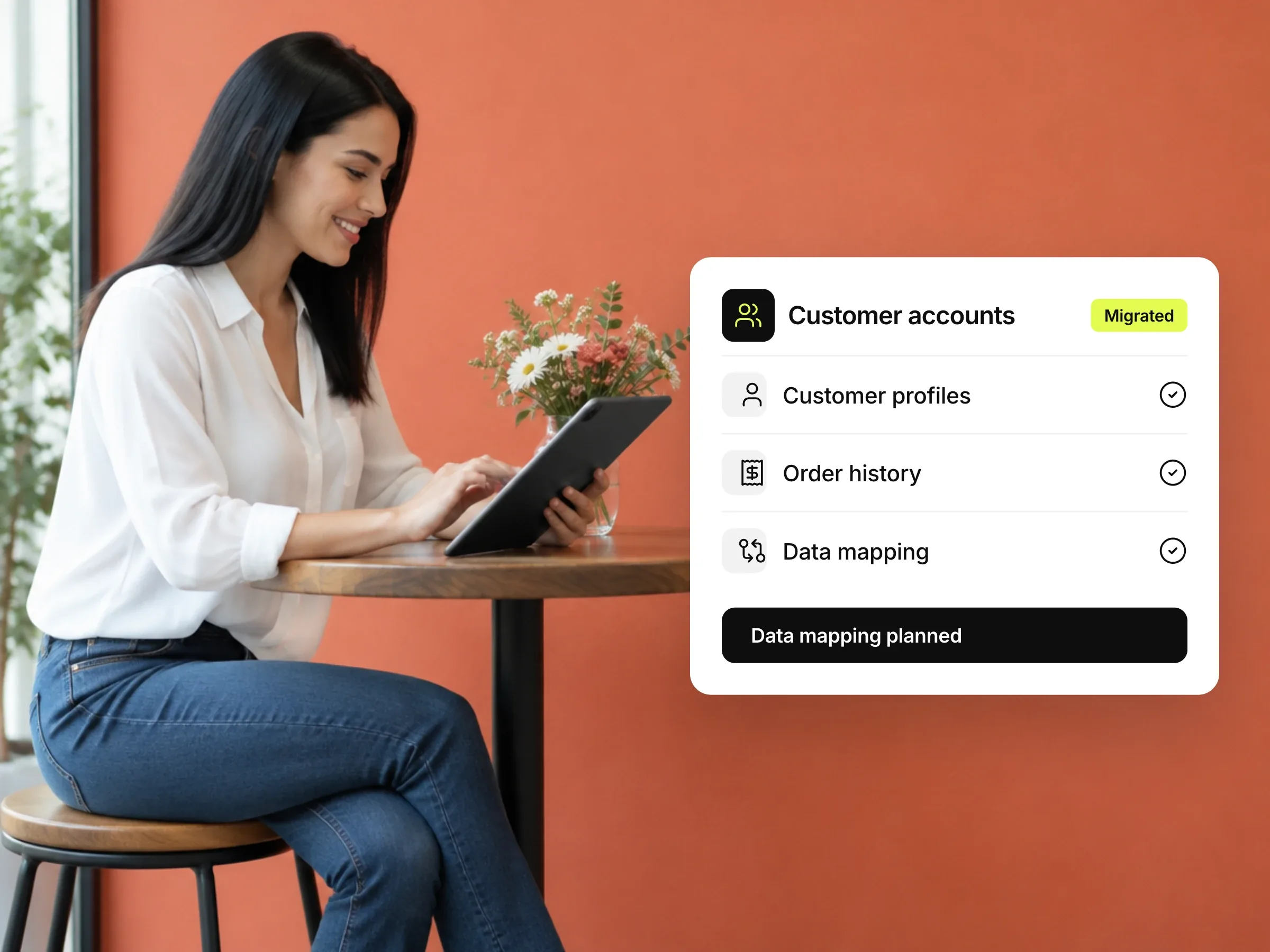
Customer Accounts and Order History
We plan the migration of supported customer profiles and order history, accounting for data mapping and platform limitations.
03 / 06
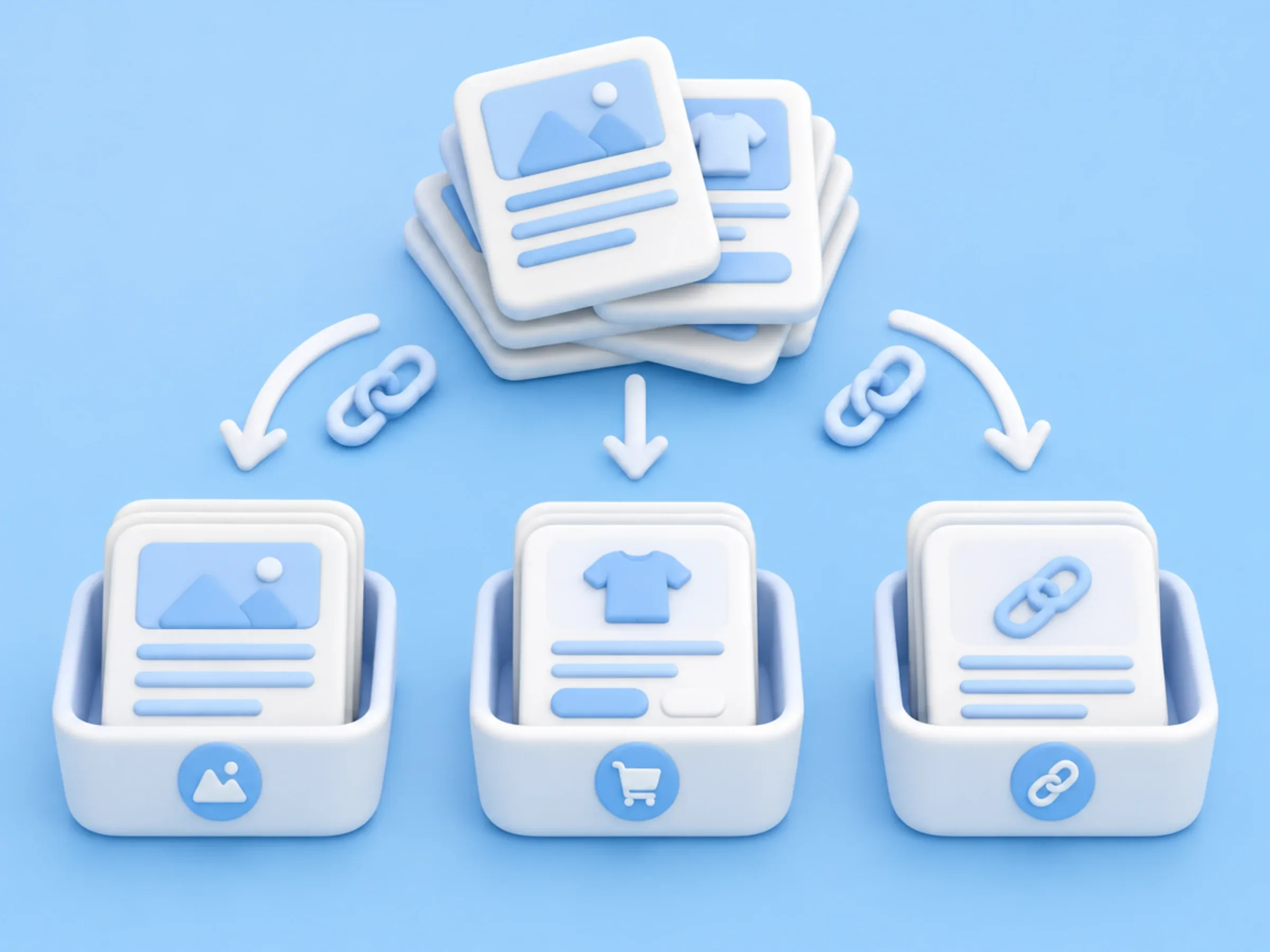
Content, Categories, and URL Structures
We migrate relevant WordPress content, categories, and URLs, implementing redirects to preserve navigation and SEO visibility.
04 / 06
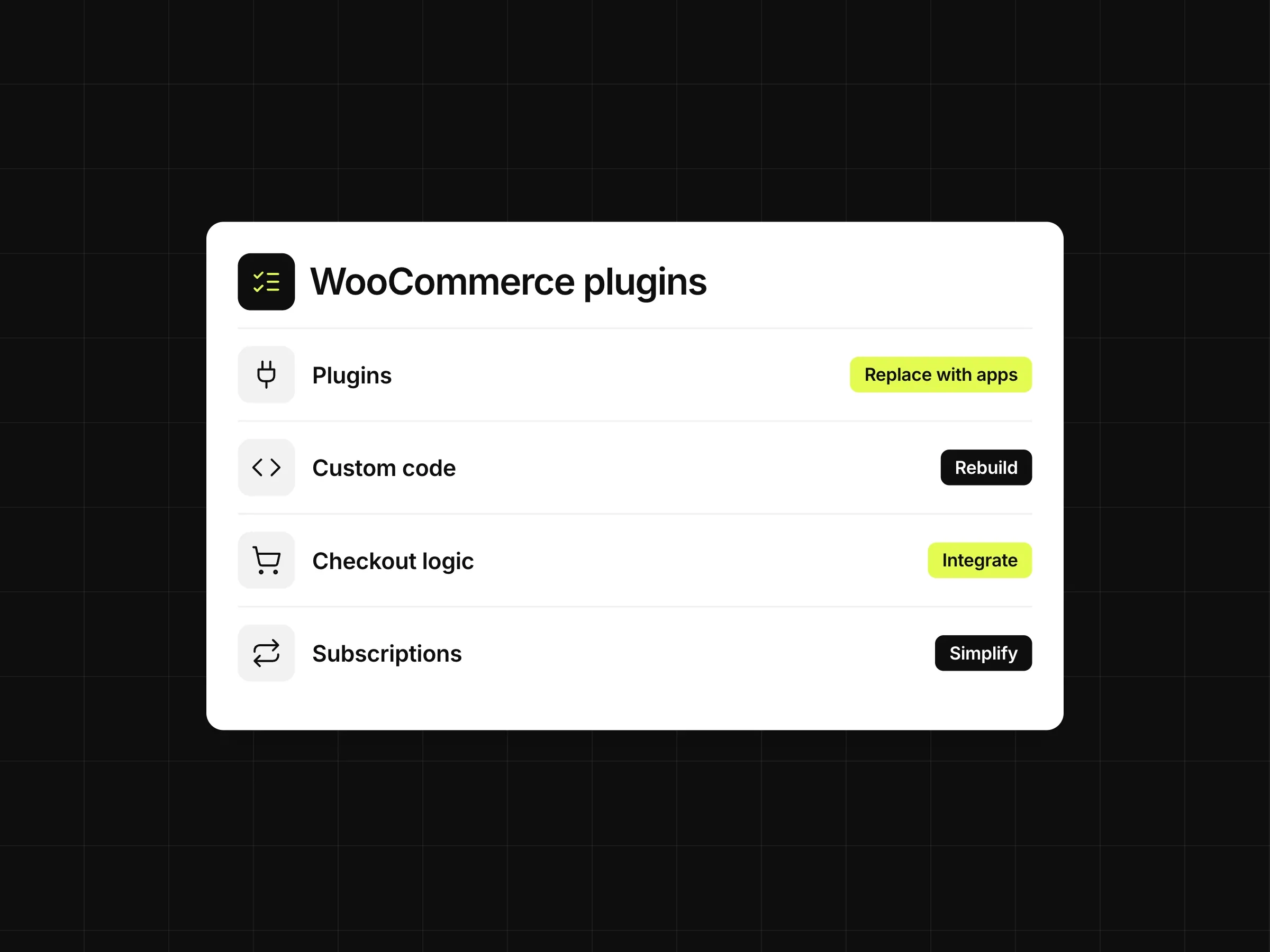
Custom Functionality and Business Logic
We assess plugins, custom code, and workflows to determine what Shopify supports natively, through apps, integrations, or custom development.
05 / 06
Third-Party Systems and Integrations
We plan ERP, CRM, PIM, OMS, payment, marketing, and fulfillment integrations to maintain reliable data flows and operations.

06 / 06
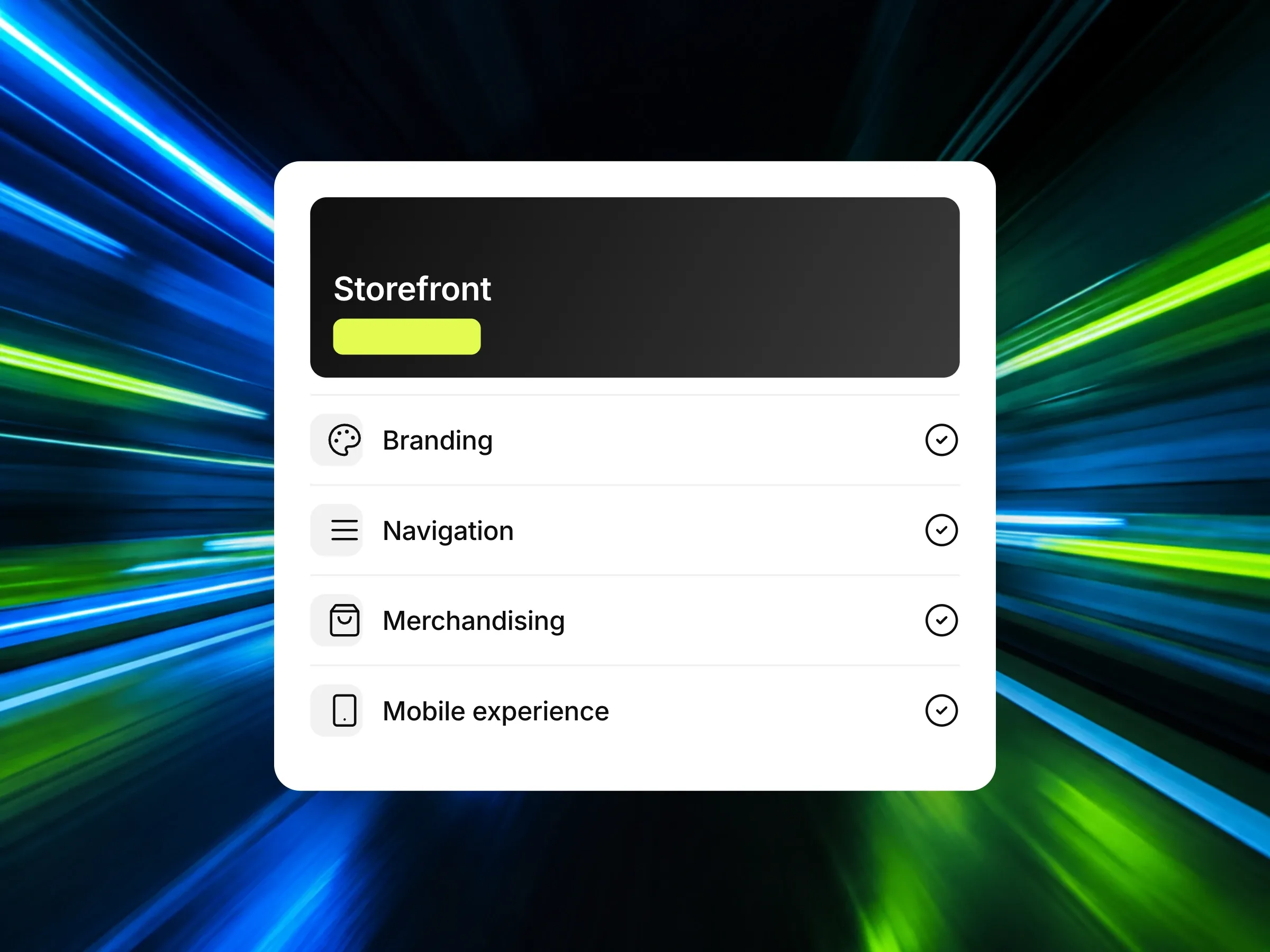
Storefront Design and Customer Experience
We align your Shopify storefront with your brand, navigation, merchandising, mobile experience, and conversion goals.
(Customizations)
Rebuilding WooCommerce Customizations and Integrations on Shopify
WooCommerce plugins, custom code, and integrations may not transfer directly to Shopify. ITGeeks evaluates your business needs to determine what to retain, rebuild, replace, or simplify while preserving critical workflows.

Assessing Existing WooCommerce Plugins and Customizations

Recreating Business-Critical Workflows

Integrating ERP, CRM, PIM, OMS, and Fulfillment Systems

Deciding What to Rebuild, Replace, or Simplify
Protect SEO During WooCommerce to Shopify Migration
ITGeeks plans redirects, content mapping, and technical SEO to preserve search equity when you migrate from WooCommerce to Shopify.
Mapping URLs and Implementing Redirects
We map WooCommerce URLs to relevant Shopify pages and implement permanent redirects to preserve links and search value across product, category, and blog pages.
Preserving Metadata, Canonicals, and Indexable Content
We review titles, meta descriptions, canonical tags, and indexable content to preserve key SEO signals across the platform transition.
Migrating Product and Category Structures
We map product catalogs, collections, and categories to maintain logical navigation and important search landing pages.
Validating Internal Links, Structured Data, and Sitemaps
We check internal links, structured data, and XML sitemaps to ensure important pages remain discoverable and indexable.
Monitoring SEO Performance After Launch
We monitor indexing, redirects, crawl issues, and organic performance to identify and resolve migration-related SEO issues.





WooCommerce vs. Shopify
WooCommerce offers WordPress-based flexibility, while Shopify provides managed infrastructure and centralized store management. The right platform depends on your business needs, technical resources, integrations, and growth goals.
Why Choose ITGeeks for Your WooCommerce to Shopify Migration?
We Start With Your Business Model, Not Just Your Platform
We align your Shopify migration with your business goals, workflows, sales channels, and operational needs.
We Account for Your Data, Workflows, and Integrations
We assess plugins, data, and integrations to determine what to migrate, adapt, or rebuild while preserving critical operations.
We Plan for SEO and Customer Experience Before Launch
We account for redirects, search visibility, navigation, and customer journeys throughout migration.
We Build for Your Next Stage of Commerce
We create a scalable Shopify foundation that supports evolving business needs, integrations, and long-term growth.
 Get a quoteTalk to the team
Ready to Move fromWooCommerce to Shopify?
Make your move from WooCommerce to Shopify or Shopify Plus simpler and more scalable. ITGeeks helps you plan the right migration around your workflows, plugins, integrations, and growth goals.
Talk to Our Migration ExpertsFrequently Asked Questions
 Still wondering?Talk to an expert
How much does a WooCommerce to Shopify migration cost?
Costs depend on product volume, data complexity, plugins, custom functionality, integrations, storefront requirements, and SEO scope. A discovery assessment helps define the migration scope and budget.
How long does a WooCommerce migration take?
Timelines vary based on store complexity, data volume, plugin dependencies, integrations, customization requirements, and approvals. A migration roadmap establishes realistic milestones and launch expectations.
Can we migrate our products, customers, and order history?
Yes, supported product, customer, and order data can be migrated. The scope depends on data structures, platform limitations, mapping requirements, and historical record needs.
What happens to our custom WooCommerce functionality?
Existing plugins and custom features are assessed individually. Depending on business requirements, functionality may be rebuilt, replaced with Shopify apps, integrated, or simplified using native capabilities.
Can Shopify support our existing ERP and other integrations?
Shopify supports connections with ERP, CRM, PIM, OMS, and fulfillment systems through apps, APIs, and custom integrations. Feasibility depends on system compatibility and workflows.
How do we protect SEO rankings during migration?
SEO protection involves URL mapping, relevant redirects, metadata and canonical reviews, content preservation, and post-launch monitoring. Careful planning reduces avoidable risks, although rankings cannot be guaranteed.
Will our store experience downtime during the migration?
Downtime depends on your migration approach, data synchronization, and launch requirements. Careful cutover planning and pre-launch testing help minimize disruption to customers and ongoing operations.
Can we migrate our WordPress content to Shopify?
Yes, supported WordPress pages, blog posts, and other content can be migrated. Content structures, formatting, media, URLs, and redirects should be reviewed during planning.
What happens to our WordPress plugins?
WordPress plugins do not transfer directly to Shopify. Each plugin's functionality must be assessed to determine whether it can be replaced, rebuilt, integrated, or retired.
Is Shopify Plus suitable for enterprise ecommerce businesses?
Shopify Plus supports many enterprise commerce needs, including B2B, integrations, customization, and high-volume selling. Suitability depends on your architecture, workflows, and specific business requirements.